
My Spirit Animal: A Guide to Understanding and Benefiting
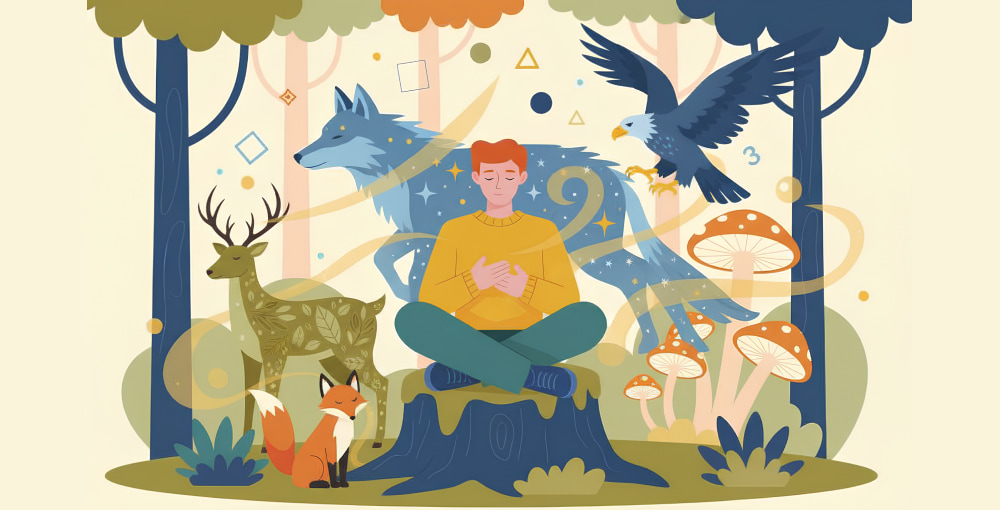
Find Your Spirit Animal Guide
Start the TestUnderstanding the Calling and Meaning
Across cultures and eras, people have described a mysterious kinship with particular animals that reflect their temperament, talents, and trajectory. This bond is not mere symbolism; it operates like a mirror and a compass, helping a seeker notice patterns, refine choices, and navigate transitions. By paying attention to dreams, synchronicities, and heightened emotions around specific creatures, individuals gather evidence of a deeper connection. In daily life, this kinship can inspire courage, soften rigidity, and remind us to live with clarity. While this is a personal journey, it also connects to universal archetypes, inviting both wonder and responsibility.
Within many traditions, my spirit animal signifies a living metaphor that surfaces during decisive moments and initiations. For some practitioners, the phrase my soul animal expresses the felt sense of an inner ally that carries lessons about purpose, boundaries, and resilience. Rather than a fixed label, the relationship evolves with experience, often shifting tone as the seasons of life change. When approached with humility and curiosity, this connection becomes a grounded practice instead of a passing trend, offering practical wisdom that complements rational analysis and emotional intelligence.
Practical Benefits and Positive Influence
Embracing an animal guide can transform everyday decision-making by offering a concise framework for self-observation. Noticing how you behave under stress, how you recover after setbacks, and which environments energize you provides raw data for growth. Over time, the animal’s qualities become a checklist for alignment: Are you acting with precision or haste, with patience or avoidance, with empathy or indifference? This lens turns vague aspirations into actionable habits that compound into meaningful results. It also strengthens boundaries, because clarity about your nature makes it easier to say yes or no with integrity.
- Stress navigation: Channel instinctive strengths to defuse pressure and protect focus.
- Creative flow: Borrow the animal’s stance to overcome perfectionism and start shipping work.
- Leadership style: Model clear, consistent behavior that others can predict and trust.
- Communication: Translate complex feelings into simple, vivid images that land with listeners.
- Resilience: Reframe setbacks as training, not verdicts, and return to center faster.
Many seekers describe a pivotal shift when they consciously partner with my power animal, noticing cleaner choices and steadier momentum in career and relationships. In ceremonial contexts, practitioners also speak of honoring my totem through mindful rituals, art, or service projects that protect habitats, turning symbolism into stewardship. When the bond is respected, the benefits ripple outward, elevating the communities you touch.
Ways to Recognize and Validate Your Guide
Discovery is both intuitive and methodical. Start by journaling vivid dreams, repeating animal encounters, and strong bodily reactions, heat, chills, tears, laughter, when a creature appears in media or real life. Then cross-check patterns by studying natural history: diet, habitat, social behavior, and survival strategies. Finally, test insights in the real world: adopt one trait for a week and observe tangible outcomes in focus, energy, or relationships. Validation emerges from converging evidence rather than a single dramatic moment.
| Method | What to Notice | Typical Timeframe | Common Pitfalls |
|---|---|---|---|
| Dream Tracking | Recurring species, emotions, and settings | 2–6 weeks | Over-interpreting one dream |
| Synchronicity Log | Unplanned sightings, songs, symbols, headlines | 3–8 weeks | Confirmation bias |
| Embodied Practice | Energy shifts when imitating posture or pace | 1–4 weeks | Performing instead of feeling |
| Ecology Study | Life cycle, defenses, sociality, migration | 2–4 weeks | Ignoring actual animal behavior |
| Mentor or Circle | Neutral feedback and pattern reflection | 1–3 sessions | Seeking validation over insight |
When journaling patterns, people often realize how to find my spirit animal by refining the signals they track and discarding noise. In moments of uncertainty, some ask a mentor, “how do i find my spirit animal,” and then test the guidance through simple experiments that reveal what actually helps.
Practices to Deepen Connection and Everyday Ritual
Consistency transforms curiosity into clarity. Short, regular practices help you shift from concept to relationship, turning the animal’s traits into lived skills. Treat this like strength training for attention and intention: small sets, honest reps, steady gains. Select two practices below and commit to 21 days, adjusting based on feedback from your body, calendar, and close relationships. Keep the tone practical rather than precious, so the rituals survive busy weeks.
- Morning stance: Adopt the animal’s posture for one minute and set a single-day intention.
- Focused interval: Work in species-inspired sprints, then recover in a matching cadence.
- Track a trait: Measure one behavior, e.g., patience, boldness, precision, and log outcomes.
- Creative token: Wear or carry a subtle symbol as a tactile reminder to return to center.
- Service act: Do one habitat-supporting action monthly to align meaning with impact.
As the relationship matures, you may describe this evolving bond as my animal totem, emphasizing reciprocal respect and daily practice rather than possession. After a season of experimentation, many reflect on ways to find out my spirit animal with stronger confidence by reviewing journals, outcome metrics, and feedback from trusted peers who have observed the changes firsthand.
Cultural Context, Integrity, and Respect
The language of animal guidance intersects with living cultures, conservation science, and spiritual lineages. Integrity begins with accurate study of species behavior and extends to honoring communities whose practices inform modern approaches. It also includes proper attribution, avoiding stereotypes, and choosing language that neither romanticizes nor diminishes Indigenous knowledge. When in doubt, emphasize humility, support educators from source traditions, and prefer relationship over appropriation.
People sometimes use phrases like my native american spirit animal without understanding the diversity of nations, protocols, and teachings, which can unintentionally flatten sacred practices. A more respectful path is to learn from authorized voices, contribute to cultural and ecological initiatives, and use nuanced wording that reflects context. This approach keeps the work grounded and mutually beneficial.
Ethical language also matters when speaking about my totem animal, because a guide is not a trophy or a costume but a symbol that invites stewardship. Practitioners can uphold this ethic by supporting habitat protection, citing sources, and avoiding caricatured depictions. Aligning words with actions preserves the dignity of both the animal and the traditions that shaped these frameworks.
FAQ: Practical Answers for Seekers
What if different animals keep showing up for me?
It is common to experience a primary guide and several situational helpers that surface during specific projects or seasons. Track frequency, intensity, and usefulness, then let results determine emphasis rather than forcing a single identity. Over months, patterns stabilize as you notice which qualities consistently improve your life.
Can logic and intuition work together in this process?
Yes, pairing evidence with instinct produces the most reliable outcomes over time. Many people wonder, how do i know my spirit animal, and the answer often blends measured experiments with meaningful moments of recognition. When both converge, confidence grows naturally and sustainably.
How long does discovery usually take?
Timelines vary, but a focused 4–8 week period of journaling, testing, and reflection is typical. The key is steady practice rather than marathon sessions, because repetition reveals signal while reducing noise. Progress accelerates when you track behavior changes instead of chasing dramatic confirmations.
Do I need a teacher to begin?
A mentor can shorten the learning curve, yet self-guided methods work when you are consistent and honest with your data. Some seekers ask, how to know my spirit animal, and then combine community feedback with private tracking to validate insights. Choose the level of support that fits your values and budget.
What if I feel nothing during practices?
Start with simpler, shorter sessions, and adjust the practice to your body’s signals, not someone else’s routine. Lack of sensation can indicate fatigue, stress, or mismatched methods, so change one variable at a time. Small wins, better focus, calmer evenings, clearer choices, are valid signs that the connection is forming.